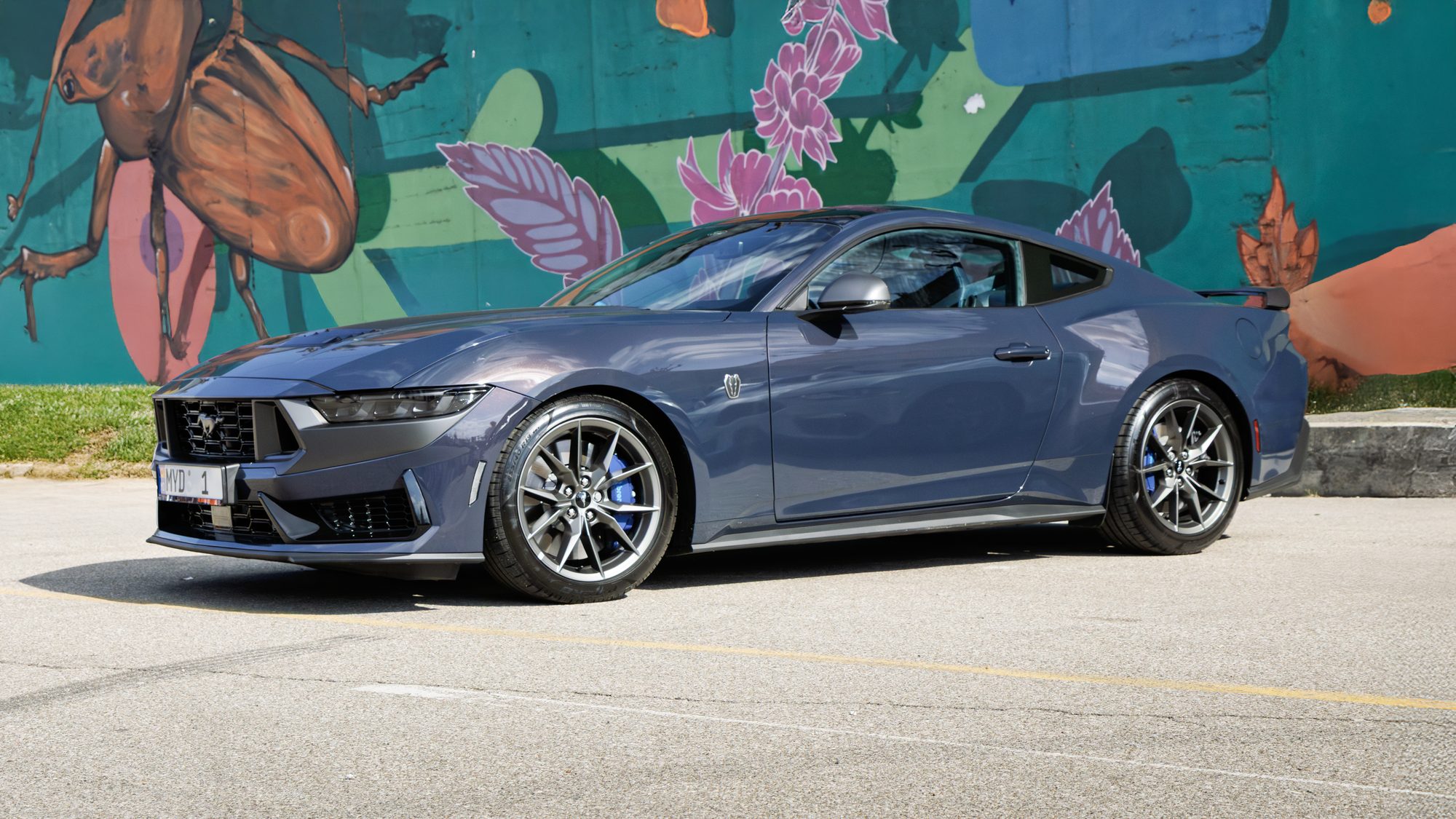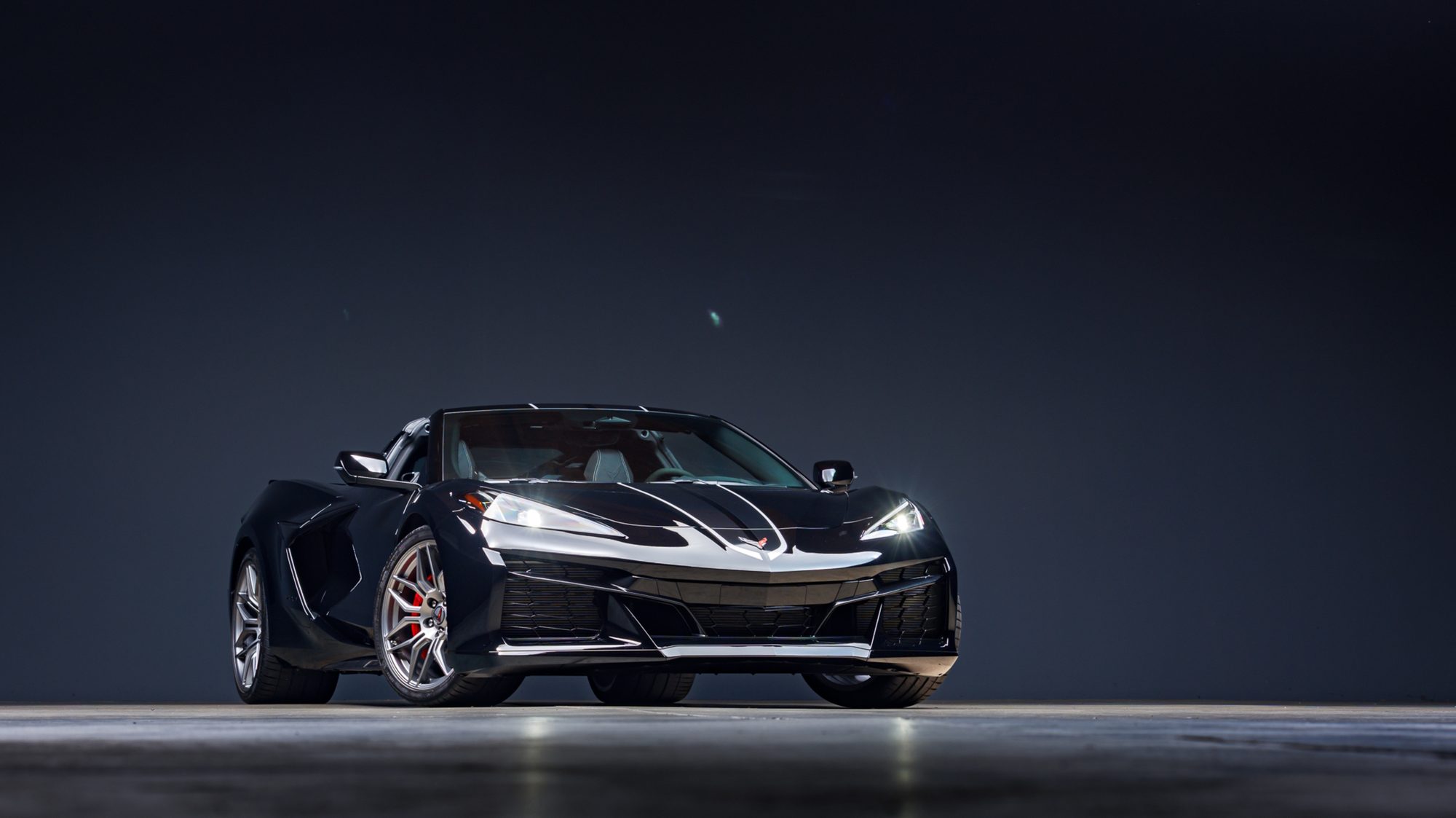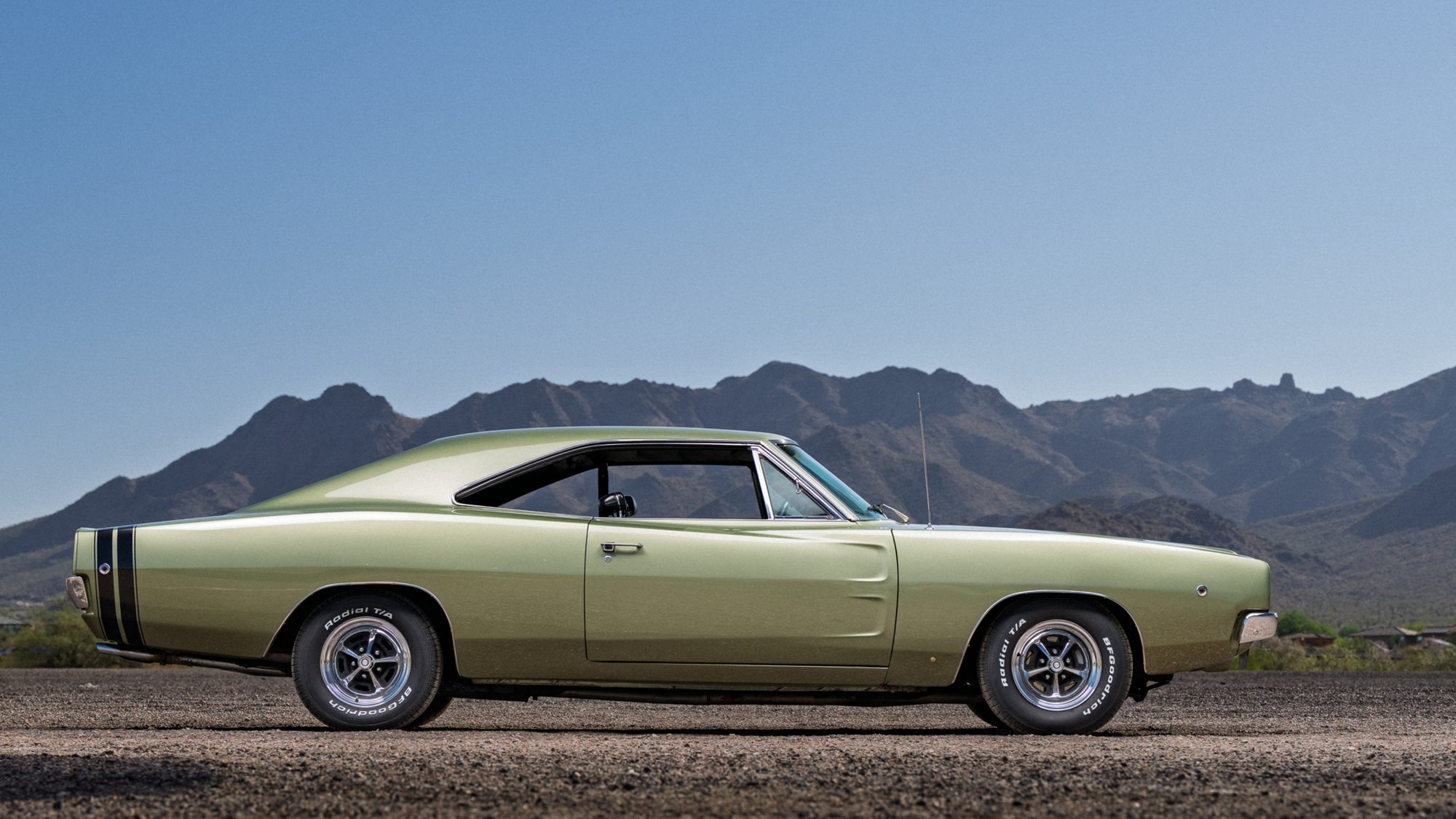
Five model families come up in almost any conversation about the muscle car era. From the mid-1960s to the early 1970s, American automakers put big-displacement V8s into mid-size and pony cars that ordinary buyers could order from a dealer. Horsepower varied by year and engine option, so none of these five is one car frozen in time, but the Chevrolet Chevelle SS, the Plymouth 'Cuda, the Dodge Charger, the Pontiac GTO and the Ford Mustang Shelby GT500 all built their reputations on the same formula: a big engine, rear-wheel drive and a street presence nobody mistook for anything else.
- The Pontiac GTO is widely credited as the first true muscle car. It went into production in September 1963 as a 1964 model, before the Charger (1966) or the Shelby GT500 (1967) arrived.
- The 426 Hemi was gone from the order sheets after 1971, and the rarest Hemi 'Cudas now sell for millions: a 1971 Hemi 'Cuda convertible brought $3.5 million at a Mecum auction in 2014.
- Chevrolet's 1970 Chevelle SS 454 LS6 carried a factory rating of 450 hp, and 1970 is the only year LS6 Chevelles were built.
- The Shelby GT500 spans two eras: a 355-hp big block in 1967 and a supercharged, 760-hp version built through the 2022 model year.
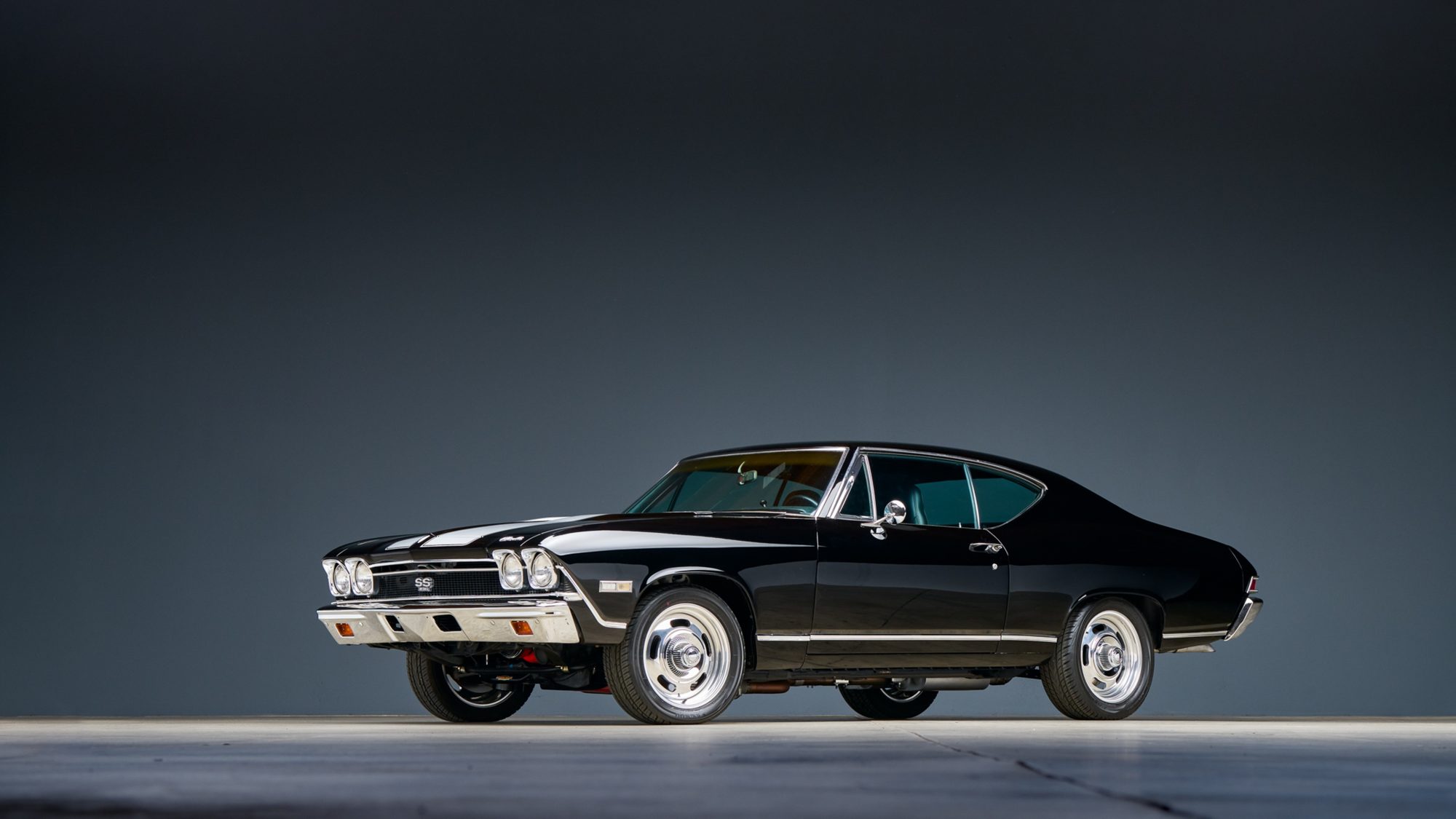
Chevrolet Chevelle SS: the big‑block standard‑bearer
The Chevelle SS started in 1964 as an option package on the Malibu. It became its own series, the SS 396, in 1966 and stayed a separate model through 1968, then went back to being an option package for 1969. The biggest engine it ever carried arrived in 1970: the 454-cubic-inch V8. In top LS6 tune it was rated at 450 hp at 5,600 rpm and 500 lb-ft of torque. Chevrolet announced the LS6 for the 1971 Chevelle too, but dropped it early in the model year, which leaves 1970 as the only year of the LS6 Chevelle.
Plymouth 'Cuda: color and attitude on a new platform
Plymouth moved the Barracuda onto the E-body platform for 1970, the same underpinnings Dodge used for the Challenger, and split the line into a base Barracuda, a luxury Gran Coupe and the performance 'Cuda. High Impact paint colors such as Lemon Twist and Sassy Grass were part of the pitch, but the engine bay did the real talking: the 'Cuda could be ordered with the 440 Six Barrel, rated at 390 hp, or the 426 Hemi, rated at 425 hp. Tightening emissions rules and rising insurance premiums took every big block off the 'Cuda's order sheet for 1972, and Barracuda production ended in April 1974. Hemi 'Cudas were rare even when new: Plymouth built 666 for 1970, and only 14 of them were convertibles.
Dodge Charger: the shape, and a genuine speed record
The 1968 redesign traded the original Charger's full fastback for a "flying buttress" roofline and gave the car the profile enthusiasts still draw from memory: a full-width hidden-headlight grille and "Coke bottle" fenders that swell out past a narrow waist. Production jumped from 15,788 cars in 1967 to 96,100 in 1968. Under the hood, buyers could step up from a 318 or 383 to the 440 Magnum, rated at 375 hp, or the 426 Hemi, rated at 425 hp. The winged Charger Daytona took that platform onto NASCAR superspeedways, and on March 24, 1970, Buddy Baker drove one to 200.447 mph in testing at Alabama International Motor Speedway, now Talladega Superspeedway. It was the first car to lap a closed course at more than 200 mph.
Pontiac GTO: often credited with starting it all
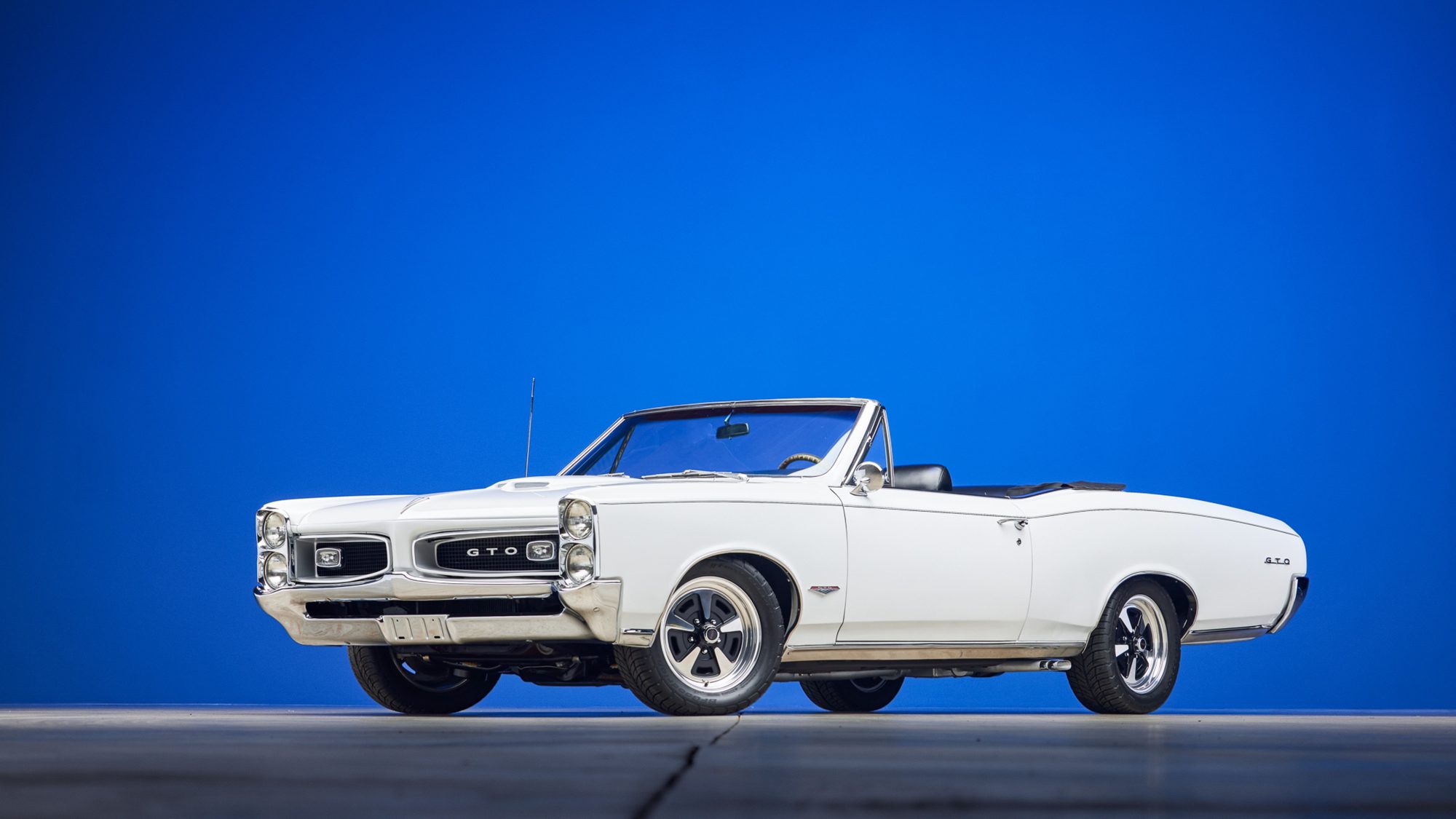
The GTO went into production in September 1963 as a $295 option package on the Tempest LeMans, built around a 389-cubic-inch V8 rated at 325 hp with a single four-barrel carburetor or 348 hp with the optional three-carburetor Tri-Power setup. It is widely credited as the first true muscle car. The GTO became a model of its own in 1966, the engine grew to 400 cubic inches in 1967, and the restyled 1968 car, with its body-color Endura front bumper, was Motor Trend's Car of the Year. The range-topping Ram Air IV engine, offered for 1969 and 1970, was factory-rated at 370 hp. The GTO went back to being an option package for 1972 and ended its original run after 1974; the name returned from 2004 to 2006 on an Australian-built coupe.
Ford Mustang Shelby GT500: the Mustang with more added on
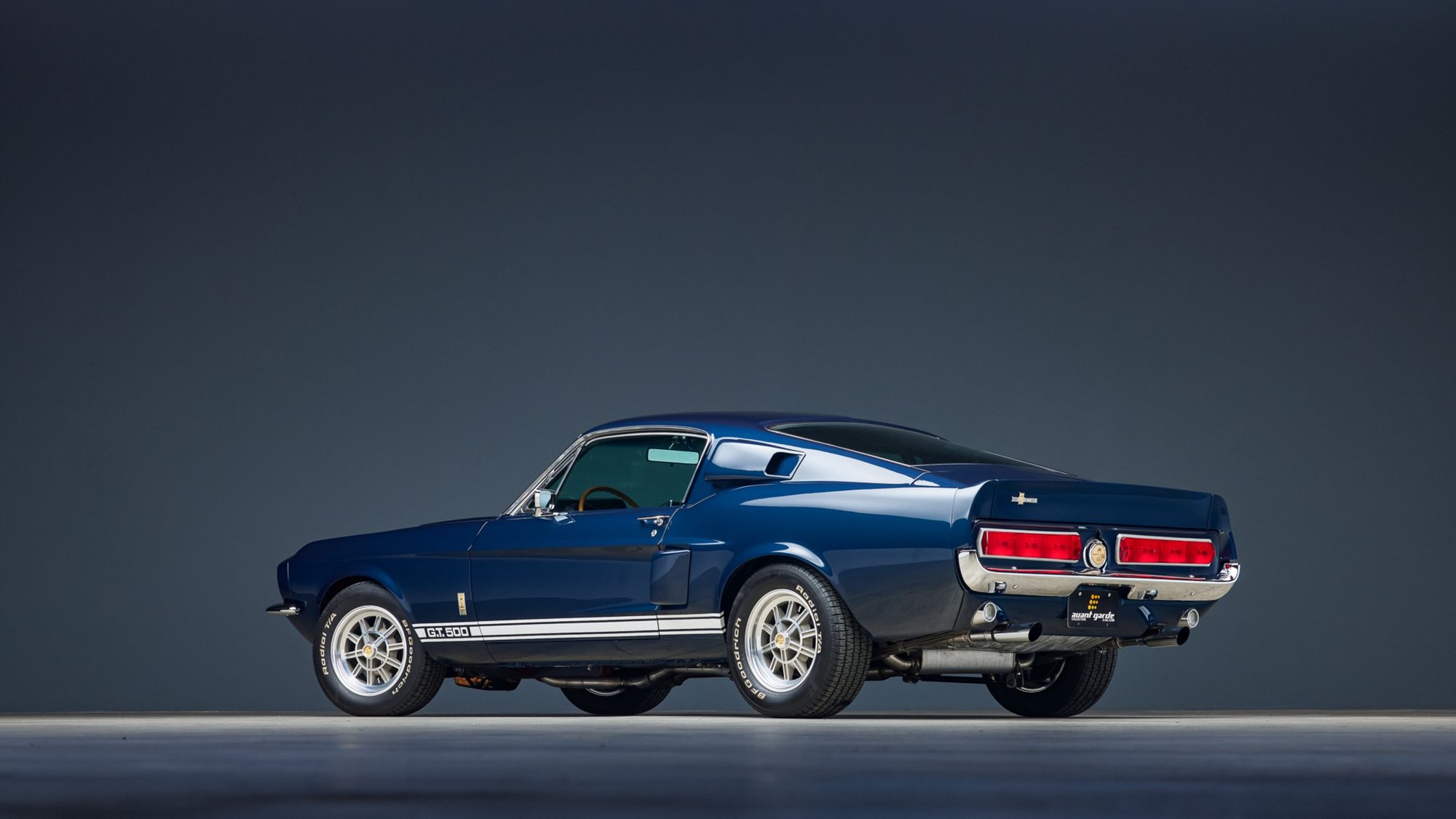
Carroll Shelby's operation introduced the GT500 for 1967, fitting the Mustang fastback with a 428-cubic-inch Police Interceptor V8 on two four-barrel carburetors, factory-rated at 355 hp. The original run ended with the 1969 cars, some of them sold with 1970 serial numbers. The name has come and gone since: a supercharged revival ran from 2007 to 2014, and the most recent version, built for the 2020 through 2022 model years, used a supercharged 5.2-liter V8 rated at 760 hp. It was the most powerful Mustang at its release. The 815-hp 2025 Mustang GTD and the 795-hp 2026 Mustang Dark Horse SC have both passed it since.
- Chevrolet Chevelle SS 454 LS6 (1970)
- 450 hp
- Plymouth 'Cuda 426 Hemi (1970 to 1971)
- 425 hp
- Dodge Charger 426 Hemi (1966 to 1971)
- 425 hp
- Pontiac GTO 400 Ram Air IV (1969 to 1970)
- 370 hp
- Shelby GT500 428 Police Interceptor (1967)
- 355 hp
Factory-advertised SAE gross ratings, measured without the production accessories and exhaust. U.S. automakers moved to SAE net ratings in 1971 and 1972, so these figures are not directly comparable to a modern engine's rating.
Still worth covering, whichever one you drive
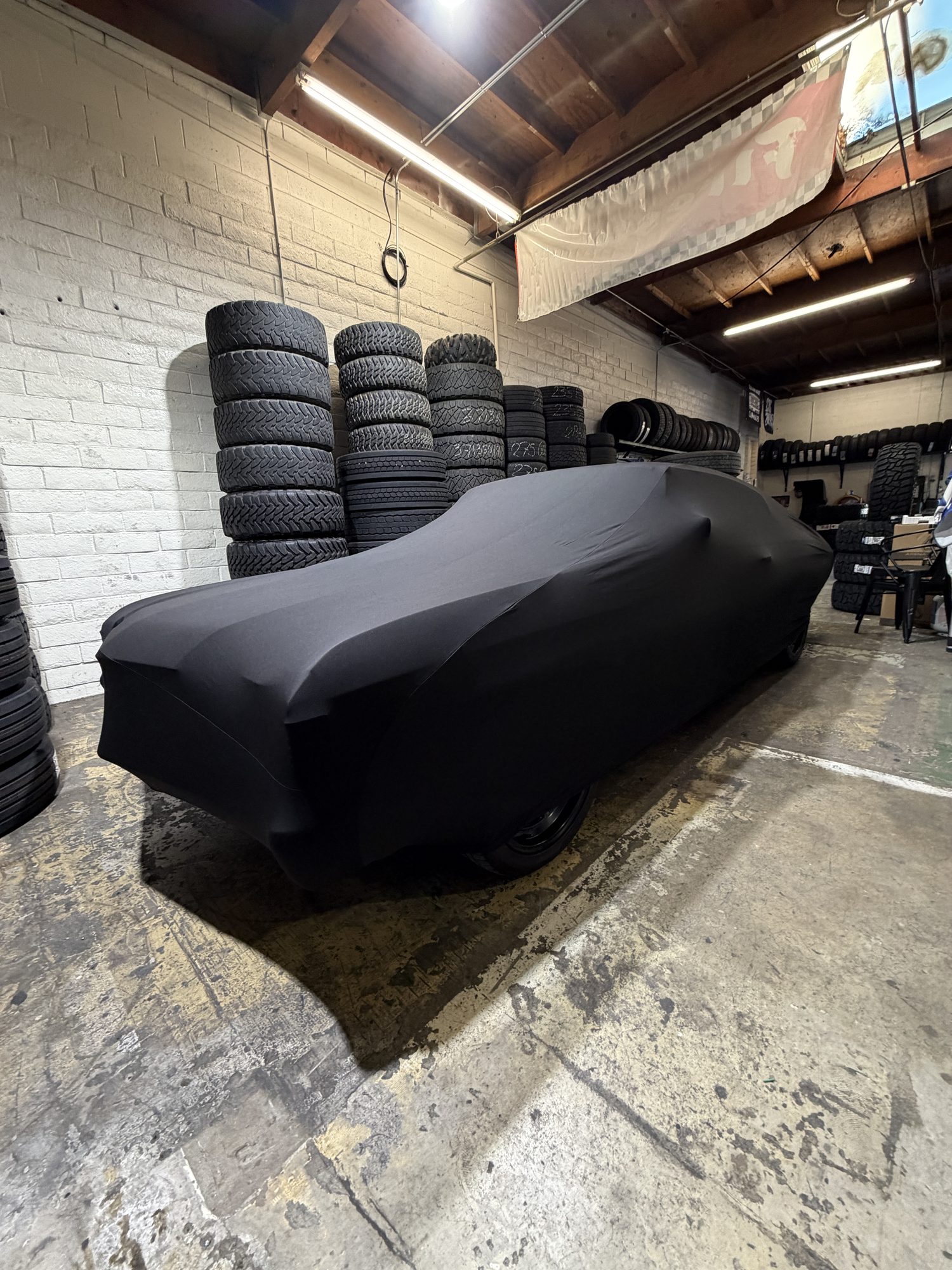
A numbers-matching Hemi 'Cuda in a private collection and a driver-quality Chevelle at a Saturday cruise-in need the same thing between drives: protection from sun, dust and weather. Whichever of these five you own, a cover matched to your exact car does that job in the garage or the driveway.
Keep it coveredCovers matched to your exact muscle car, whichever one you drive
Questions owners ask
Which came first, the muscle car or the pony car?
The muscle car, by a few months. The Pontiac GTO, widely credited as the first true muscle car, went into production in September 1963 as a 1964-model option package on the intermediate Tempest LeMans. The Ford Mustang, a smaller car, went on sale on April 17, 1964, as a 1965 model and gave the pony car class its name. Plymouth's Barracuda reached showrooms about two weeks before it.
Is the Shelby GT500 still in production?
Not as a Ford model. Ford ended the GT500 after the 2022 model year and has not built one on the current Mustang. Its closest current equivalent is the 2026 Mustang Dark Horse SC, which uses a supercharged 5.2-liter V8 rated at 795 hp.
How rare is a Hemi 'Cuda?
Very. Plymouth built 666 Hemi 'Cudas for 1970, and only 14 of them were convertibles. The Hemi was off the order sheet after 1971. The rarest cars now sell for seven figures: a 1971 Hemi 'Cuda convertible brought $3.5 million at a Mecum auction in 2014.
Sources (20)
- The Chevelle SS began in 1964 as an option package on the Malibu, became its own SS 396 series for 1966 to 1968, and became an option package again for 1969. en.wikipedia.org
- The 454 arrived in the Chevelle for 1970 (LS5 and LS6); the LS6 was rated at 450 hp at 5,600 rpm and 500 lb-ft at 3,600 rpm; it was announced for 1971 but dropped early in the model year, with no official record of any 1971 LS6 Chevelle. en.wikipedia.org
- For 1970 the Barracuda moved to the E-body shared with the Challenger, in three versions (Barracuda, Gran Coupe, 'Cuda); the 'Cuda offered the 440 Six Barrel at 390 hp and the 426 Hemi at 425 hp; High Impact colors included Lemon Twist and Sassy Grass; big blocks were not offered from 1972; production ended April 1, 1974; a 1971 Hemi 'Cuda convertible sold for $3.5 million at a June 2014 Mecum auction. en.wikipedia.org
- The 1970 Barracuda rode on the E-body; the 440 Super Commando Six Pack was rated at 390 hp and the Hemi at 425 hp; by 1972 Plymouth dropped big blocks, with emissions rules, fuel costs and insurance premiums cited; the Barracuda was eliminated after 1974. drivingline.com
- Plymouth built 666 Hemi 'Cudas for 1970, 652 coupes and 14 convertibles; the 426 Hemi was rated at 425 hp; a 1971 Hemi 'Cuda convertible sold for $3.5 million in 2014. slashgear.com
- The 1966 to 1967 Charger was a fastback; the 1968 redesign replaced it with a flying-buttress roof, kept a full-width hidden-headlight grille and used Coke bottle styling; production was 15,788 in 1967 and 96,100 in 1968; the 440 Magnum was rated at 375 hp and the 426 Hemi at 425 hp; the Hemi was offered from 1966 through 1971. en.wikipedia.org
- The 1968 Charger's Coke bottle styling, and a 1968 engine list of 318, 383, 440 Magnum and 426 Hemi V8s. news.classicindustries.com
- On March 24, 1970, Buddy Baker drove a 1969 Dodge Charger Daytona to 200.447 mph at Alabama International Motor Speedway (now Talladega Superspeedway), the first car to lap a closed course at more than 200 mph. nascarhall.com
- GTO production began September 3, 1963, as a $295 option package on the Tempest LeMans; 389 V8 at 325 hp (four-barrel) or 348 hp (Tri-Power); a separate model from 1966; 400 cubic inches from 1967; the 1968 GTO, with its Endura bumper, won Motor Trend Car of the Year; Ram Air IV rated at 370 hp for 1969 and still offered for 1970; an option package again from 1972, on the Ventura for 1974; revived 2004 to 2006 as a rebadged Australian-built Holden Monaro. en.wikipedia.org
- The 1964 GTO's 389 made 325 hp with the four-barrel and 348 hp with Tri-Power. hotcars.com
- The GTO is widely credited as the first true American muscle car, starting as an option on the Tempest. drivingline.com
- The 1967 GT500 used a 428 Police Interceptor V8 with two four-barrel carburetors, rated at 355 hp; no 1970 Shelbys were built, but unsold 1969 cars were given 1970 serial numbers. en.wikipedia.org
- The supercharged Shelby GT500 of the fifth-generation Mustang was built from 2007 to 2014. en.wikipedia.org
- The 2020 to 2022 Shelby GT500 used a supercharged 5.2-liter Predator V8 rated at 760 hp and was, at its release, the most powerful Mustang. en.wikipedia.org
- Ford discontinued the supercharged, 760-hp Shelby GT500 after the 2022 model year. thedrive.com
- The 2025 Mustang GTD makes 815 hp, the most of any street-legal Mustang. fromtheroad.ford.com
- The 2026 Mustang Dark Horse SC uses a supercharged 5.2-liter V8 rated at 795 hp. fromtheroad.ford.com
- No factory Shelby GT500 has been built on the seventh-generation Mustang; Ford presents the 2026 Dark Horse SC as the spiritual successor to the sixth-generation GT500. en.wikipedia.org
- U.S. automakers moved from SAE gross to SAE net horsepower ratings in 1971 and 1972; gross figures were measured without production accessories and exhaust. en.wikipedia.org
- The Mustang launched April 17, 1964, as a 1965 model and gave the pony car class its name; the Barracuda went on sale April 1, 1964, two weeks earlier. en.wikipedia.org
Photos: Josh Bryan - stock.adobe.com