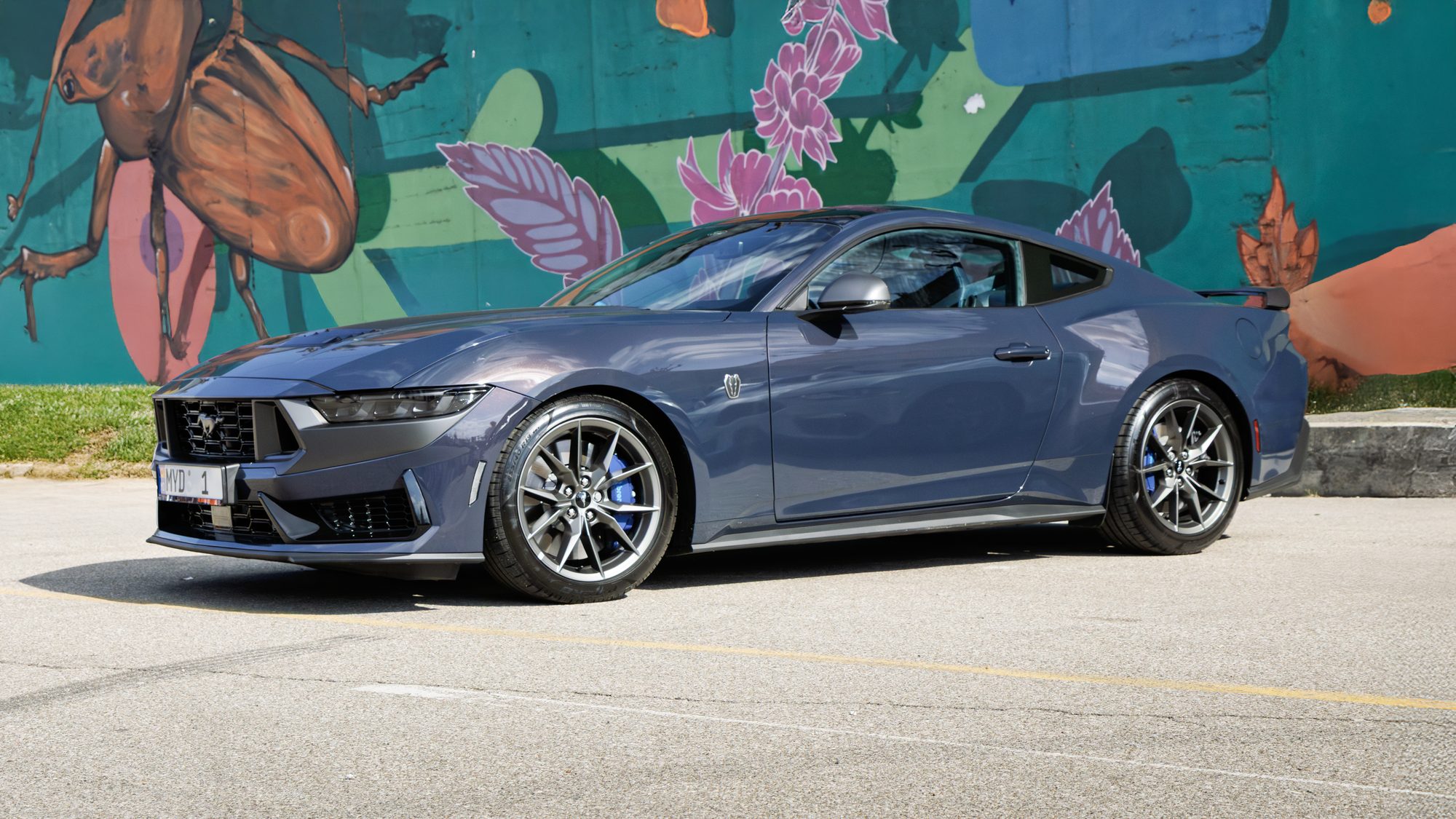
A road trip starts in the driveway, before the first mile, with the tires, the fluids and the battery. According to AAA, a dead battery is the most common reason drivers call for roadside help and tire failure is the second, and both are far easier to catch at home than three states away. The car deserves the same thought once you arrive: a cover in the trunk protects it whether it's parked at a motel, a trailhead or a friend's driveway for the weekend.
- Check the tires, fluids and battery before you go. Dead batteries and tire failures are the two most common causes of roadside breakdowns, according to AAA.
- Replace the wipers if they streak, and run the VIN through NHTSA's free recall check.
- Pack an emergency kit, and fold a cover into the trunk for every stop along the way.
- Home again, wash off the bugs and road grime before the cover goes back on.
The pre‑trip checklist
None of these take long on their own. Do the fluid and tire checks first, since either one might mean a stop at a shop before you leave, not after.
Check the tires, including the spare
Inspect all four tires, and the spare if the car has one, for cuts, gouges or a bulge in the sidewall. For tread, push a quarter into a groove upside down: if you can see the top of Washington's head, the tread is down to about 4/32 of an inch, the point where Consumer Reports says to start shopping for new tires.
Check pressure with a digital gauge while the tires are cold, at least once a month and again before a long trip. Inflate to the number on the sticker in the driver's doorjamb or in the owner's manual, not the number molded into the tire's sidewall, which is the tire's maximum.
TipTire failure is the second most common cause of roadside breakdowns, right behind a dead battery, according to AAA.
Check the fluids
Pop the hood and check the six fluids AAA lists: engine oil, coolant, brake fluid, transmission fluid, power steering fluid and the washer fluid you'll actually use on a bug-splattered windshield. Not every car has all six to check, so the owner's manual is the guide. Oil that's thick and dark means an oil change is due, power steering fluid that's dark brown or black needs replacing, and brake fluid should be translucent and inside its marked range. Get any of that done before the trip, not during it.
Test the battery
A dead battery is the single most common reason drivers call for roadside help, about a quarter of all service requests, according to AAA. AAA puts a typical battery's life at three to five years, closer to three in a hot climate, and suggests testing it every year once it reaches its third. AAA members in most areas can get that test free.
Check the brakes, belts and hoses
If you hear grinding or feel a vibration when you brake, have the brakes inspected before a long trip, not after. As AAA puts it, a brake or suspension failure can do more than cause a breakdown: it could cause a crash. With the engine cool, check the belts for cracks or fraying and the hoses for soft spots, bulges or cracks.
Replace the wipers if they streak
Wiper blades lose their edge fast. In Consumer Reports' testing, most blades gave adequate performance for only about six months, so CR suggests planning on new ones twice a year, at the change of seasons, rather than waiting for a highway rainstorm to reveal a streak you can't see through.
Catch up on any overdue maintenance
Check where the car sits against its service schedule. If the trip will push it past a recommended interval, mile-wise or date-wise, AAA's advice is to have that service done before you leave rather than on the road.
Check for open recalls
Enter the 17-character VIN at NHTSA's recall lookup. It's free, and it shows any safety recall from roughly the last 15 years that hasn't been repaired on your car.
- PhoneA car charger, so a dead phone doesn't strand you along with the car.
- First aidA basic kit, plus a day's worth of any medication you can't miss.
- LightA flashlight with fresh spare batteries.
- JumpJumper cables or a jump pack.
- WarningRoad flares or reflectors, so other drivers see you if you're stopped on the shoulder.
- ToolsA basic tool set, duct tape and a tire gauge.
- WaterDrinking water and snacks for everyone in the car, pets included.
- WipeRags, paper towels or wipes, for the bugs on the windshield and everything else.
Protecting it wherever you park
Past your own driveway, the car is parked somewhere you don't control: a motel lot, a trailhead, a friend's street. The reasons to cover it at home still apply on the road, from dust and sun to tree sap and bird droppings. Fold the cover into the trunk before you leave, and it's there at every stop.

| AllGuard Weatherproof Lite | AllGuard Platinum Shield | |
|---|---|---|
| Best for | A car that's outside now and then, like an overnight stop on the road | A car that faces every season outdoors |
| Outer | 420D polyester Oxford, UV treated | Silver 300D polyester, polyurethane and UV treated, breathable |
| Interior | Nonabrasive lining | Fleece liner |
| Rain | Water-resistant | Water-resistant |
| Price | $119.99 | $199.99 |
Every cover includes the AllGuard Protection Warranty.
Wash the road off before it goes back to sleep
A long drive leaves bugs, tar, tree sap and bird droppings on the paint, and none of them get better with time. John Ibbotson, chief mechanic at Consumer Reports' Auto Test Center, puts it plainly: "Get the sap off as soon as possible, because it will eventually eat through the paint, especially as the days warm up." Bird droppings and bug splatter can damage the finish too.

Wash the car first. For whatever's left, Consumer Reports suggests starting with a little rubbing alcohol on a cloth, then a bug-and-tar or sap remover from an auto parts store, tested first on a small spot. Work in the shade, wash the area again with soap and water, and wax it. Dry the car completely before the cover goes back on, the same rule as storing it at home.
That's the whole loop: check it before you go, cover it wherever you stop, and wash the trip off before it goes back to sleep.
Questions owners ask
How low can the tire tread go before a road trip?
Consumer Reports suggests shopping for new tires once the tread is down to 4/32 of an inch. Push a quarter into a groove upside down: if you can see the top of Washington's head, it's time. Check the spare too, not just the four on the road.
How common is a dead battery on a road trip?
Very. A dead battery is the leading cause of roadside assistance calls, about a quarter of them, according to AAA. AAA puts a typical battery's life at three to five years, closer to three in a hot climate, so have yours tested before a long trip if it's three years old or more.
How often should I actually replace my wiper blades?
Consumer Reports suggests planning on twice a year, at the change of seasons, since most blades give adequate performance for only about six months before they start to streak.
Is it worth checking for recalls before a trip?
Yes, and it's quick. Enter the 17-character VIN at nhtsa.gov/recalls, free, to see any safety recall from roughly the last 15 years that hasn't been repaired on your car. Federal law makes recall repairs free on cars up to 15 years old.
Do I need a different cover for the road than the one I use at home?
If the one at home is Satin Protect, yes: it's made for indoor storage only. On the road you want an outdoor cover. The Weatherproof Lite is built for a car that's outside now and then, and the Platinum Shield for a car that faces every season outdoors. Both are water-resistant and matched to your exact car.
Cover it at every stop, not just at home.
The Weatherproof Lite is built for the car that's outside now and then, like a few nights parked away from home: UV treated and water-resistant. Fold it into the trunk before you leave. Every AllGuard cover is matched to your exact car.
Sources (12)
- Check tire pressure at least once a month with a digital gauge, when the tires are cold, and check the spare; the six fluids to check are engine oil, washer fluid, power steering fluid, brake fluid, transmission fluid and coolant; oil that is thick and dark means an oil change is due, power steering fluid that is dark brown or black needs replacing, and brake fluid should be translucent and within range; inspect hoses for soft spots, nicks and cracks and belts for cracks or fraying. mwg.aaa.com
- A dead battery is the leading cause of roadside calls, about a quarter of service requests; tire failure is the second most common cause of roadside breakdowns; a brake or suspension failure can do more than cause a breakdown, it could cause a crash; if a trip will push the car past a recommended service interval, do that maintenance before leaving. cluballiance.aaa.com
- A car battery typically lasts three to five years, about three in hot climates; have it tested every year once it reaches its third year; AAA members in most areas can get a free battery test. aaa.com
- Use the recommended tire pressure on the driver's doorjamb sticker or in the owner's manual, not the pressure molded into the sidewall; check pressure at least once a month and before any long road trip. aaa.com
- Start shopping for replacement tires at 4/32 inch of tread, the depth to the top of George Washington's head on a quarter; the sidewall pressure is the tire's maximum, not the one to use; check the spare monthly and before long trips. consumerreports.org
- If you hear grinding or feel a vibration when braking, have the brakes inspected; replace wiper blades that streak; AAA members may request a free battery check. aaa.com
- AAA's car emergency kit includes a cell phone and car charger, a first-aid kit, drinking water and snacks for everyone including pets, a flashlight with extra fresh batteries, rags, paper towels or wipes, a basic tool set with duct tape and road flares or reflectors, and jumper cables or a jump pack. aaa.com
- Most wiper blades give adequate performance for about six months; plan on replacing them twice a year, at the change of seasons. consumerreports.org
- John Ibbotson, chief mechanic at Consumer Reports' Auto Test Center: "Get the sap off as soon as possible, because it will eventually eat through the paint, especially as the days warm up." Bird droppings and insects can also damage the finish. Wash first, try rubbing alcohol, then a sap or bug-and-tar remover tested on a small spot, work in the shade, wash and wax after. consumerreports.org
- NHTSA's recall lookup at nhtsa.gov/recalls checks a vehicle's 17-character VIN for unrepaired safety recalls at no cost. nhtsa.gov
- NHTSA maintains a database of all vehicle recalls in the last 15 years, searchable by VIN. oregon.aaa.com
- Check for recalls by entering the VIN at nhtsa.gov/recalls; federal law requires safety recall repairs to be free on cars up to 15 years old. consumerreports.org