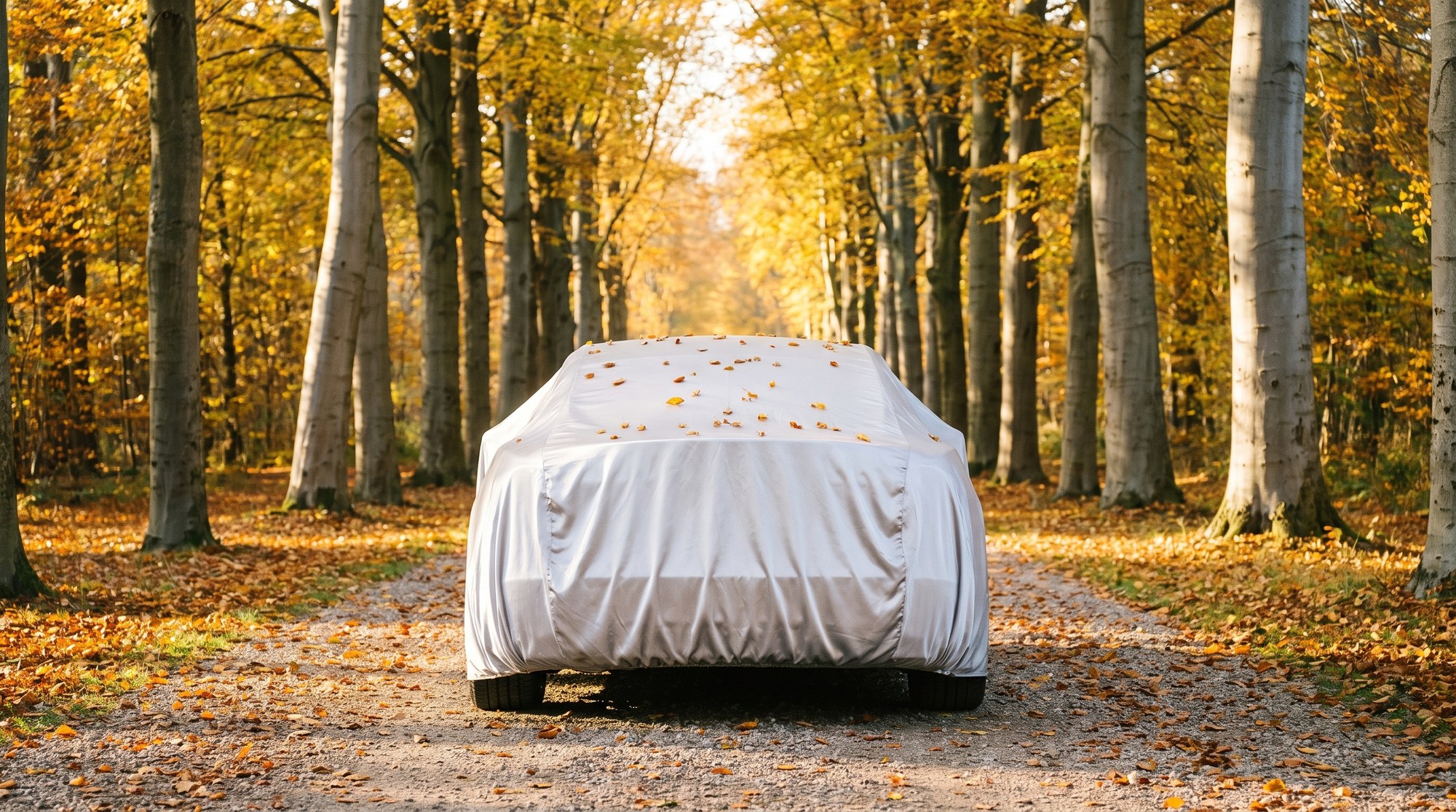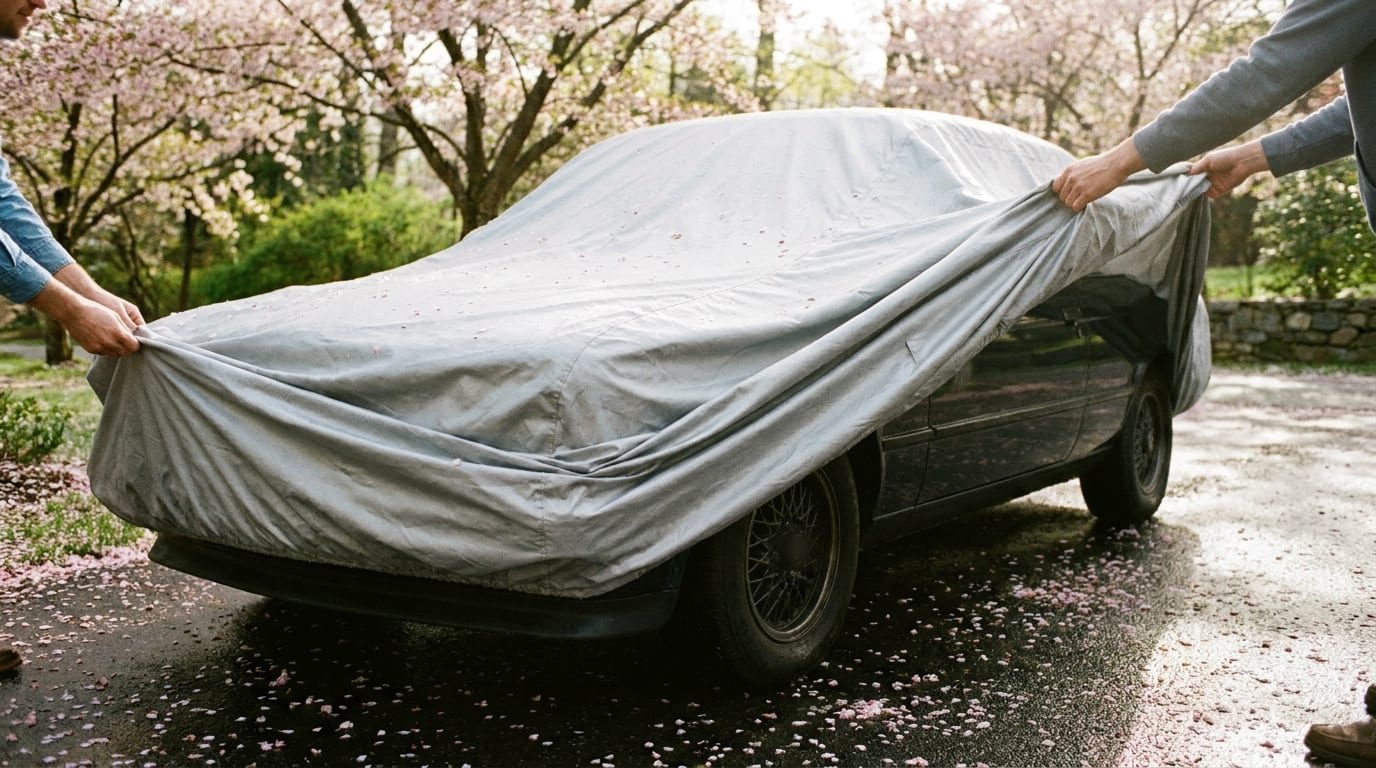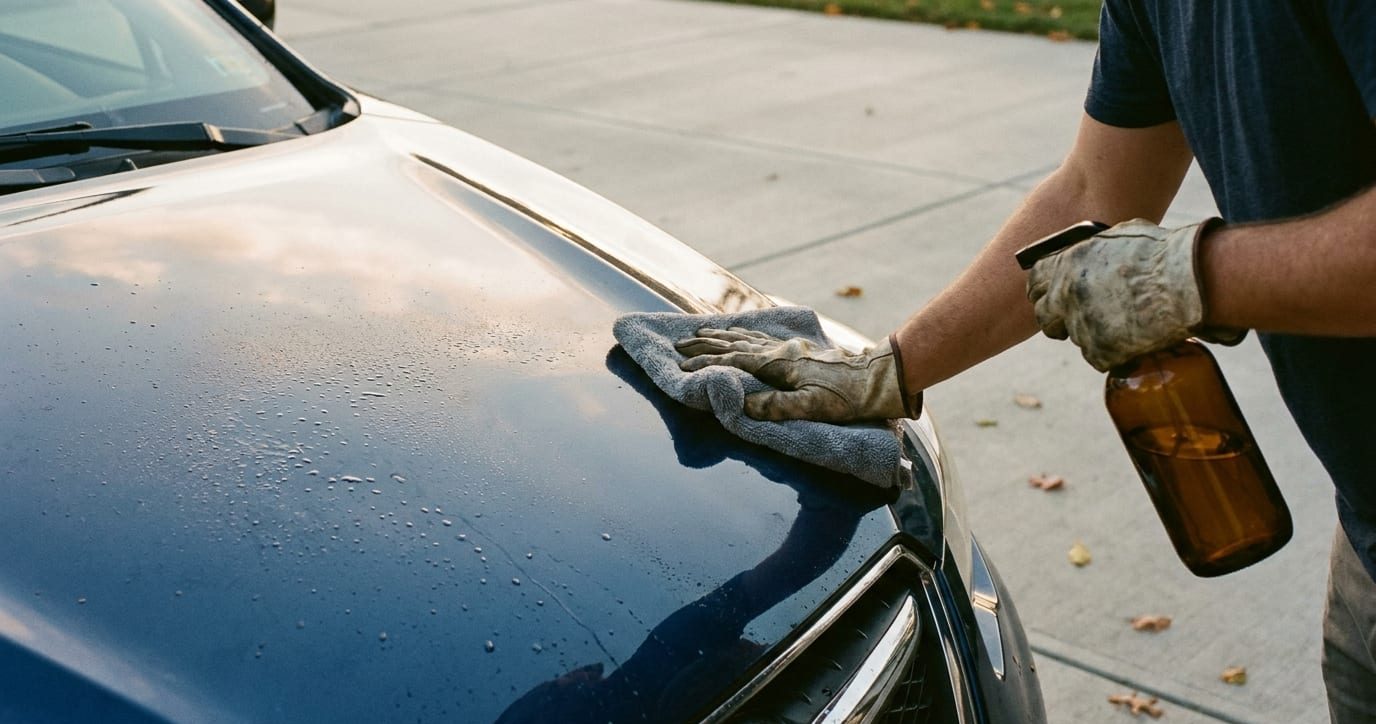
North Dakota naturalist Chuck Lura parks under ash, aspen and oak. One summer he found little drops of something sticky all over his car, and they had not been easy to clean off the windshield. "But it is probably not sap!" he wrote. It's "much more likely the product of aphids." It's called honeydew, the sugary waste of aphids, some scale insects and other sap-feeders in the tree overhead. True sap usually shows up where the bark is wounded. The two clean up a little differently, so it helps to know which one you're looking at.
- It's more likely honeydew than sap. That's the sugary waste of aphids and some scale insects feeding in the tree, not sap straight from a wound in the bark.
- The hosts are familiar shade trees. Purdue Extension lists soft maple, boxelder, linden, tuliptree, magnolia and honeylocust among the hosts of honeydew-making scale insects.
- Start with water. An Austin city forester says honeydew washes off easily with a quick rinse. Hard or gummy spots that survive a wash may be sap.
- Still there? Rubbing alcohol, then a sap remover. That's Consumer Reports' order, with any remover tested on a small spot first.
- Left alone, honeydew turns black. A fungus called sooty mold grows on it, per Purdue and UMass Extension.
- A cover takes the drip instead of the paint, and it's the cover you wash, not the clear coat.
Honeydew or sap? They're not the same thing
Tree sap is the tree's own fluid, and it shows up where the bark is broken. "Sap will be visible on the surface or bark of a tree flowing from a wound, such as a saw cut or natural injury or disease," Michael Jascot, a horticulture-trained specialist at Consumer Reports' test track, told CR. Sap gets moving in spring, when freezing nights and sunny days above 32 degrees start its flow after dormancy. Pine trees, though, "will ooze anytime of the year," he says. On pines and other conifers that sticky flow is resin, which forms a protective coating over wounds and usually hardens in the air into a brittle solid.
Honeydew is something else. It's the sticky, sugary liquid that certain sap-feeding insects excrete as they feed on plants, according to University of California Agriculture and Natural Resources. Among them are aphids, psyllids, leafhoppers, mealybugs, whiteflies and some scale insects. Aphids suck sap out of the tree, and because plant sap is mostly water they have to drink a lot of it, Lura explains. What comes out the other end is honeydew. Stand under a canopy of trees just about any summer, City of Austin forester Keith Babberney told KUT, Austin's NPR station, and "you'd probably notice little droplets and think, 'It's misting a little bit today.'"
The usual suspects overhead
The trees involved are familiar shade trees. Soft maple, boxelder, linden, tuliptree, poplar, magnolia, walnut and honeylocust all host scale insects that excrete honeydew. "Parked cars, walks, and benches beneath infested trees often become a sticky mess," Purdue Extension warns. Linden and tuliptree each also have an aphid of their own: the linden aphid often infests urban street trees, and tuliptree aphid numbers can build up "rapidly on the leaves during the spring and summer," NC State Extension says.
Why the drip turns black
Left in place, honeydew becomes food for a black fungus called sooty mold, according to both Purdue and UMass Extension. The practical lesson is simple: honeydew is easiest to clean before it builds up. Lura wrote that the drops on his windshield had "not been easy to clean," and that scrubbing mold-spotted honeydew off an aluminum canoe that sat under shrubs all summer "was not an easy task."
Which one is on your car?
- The treeSap comes from a wound in the bark, and pines "will ooze anytime of the year," Consumer Reports says. Under a leafy shade tree like a linden, tuliptree or maple in spring and summer, honeydew is the likelier culprit.
- The spotsHoneydew lands as little drops all over the car, fine enough under a busy canopy to feel like mist.
- Black specksHoneydew that sits feeds sooty mold, a black fungus, so old drips that have gone dark point to honeydew.
- InsectsFlies and wasps working the tree are drawn to honeydew, NC State Extension notes.
- WaterFresh honeydew rinses off. Spots that stay hard or gummy after a wash may be true sap, though built-up honeydew can be stubborn too.
Wash first, then work up
Start with the gentlest step and work up only as far as you need to.
Rinse and wash it first
Hose the spot down, or use a bucket, car wash soap and a soft sponge. Honeydew is nontoxic and doesn't damage cars, KUT reported, and Babberney said it washes off easily with a quick rinse. Purdue Extension's advice for the nuisance is simply to wash honeydew off cars. Washing first is also Consumer Reports' opening move for sap, so you aren't grinding dirt into the paint when you work on whatever is left.
Still sticky? Dab it with rubbing alcohol
Spots that are still there after a wash, especially hard or gummy ones, may be true sap, which hardens as it dries, though built-up honeydew can be stubborn too. Don't leave it: "Get the sap off as soon as possible, because it will eventually eat through the paint, especially as the days warm up," says John Ibbotson, chief mechanic at Consumer Reports' Auto Test Center. CR's first line of attack is rubbing alcohol dabbed on a cloth, and that may be all you need.
A tree-sap remover for anything alcohol won't lift
If alcohol doesn't clear it, move up to a tree-sap or bug-and-tar remover from an auto parts or hardware store. Test it on a small spot of paint first: Ibbotson warns a remover "can damage the clearcoat and possibly the paint underneath." Use as little as you can, in the shade. Then clean the area with soap and water and put a coat of wax over it.
Keeping it off the paint, not just cleaning it up
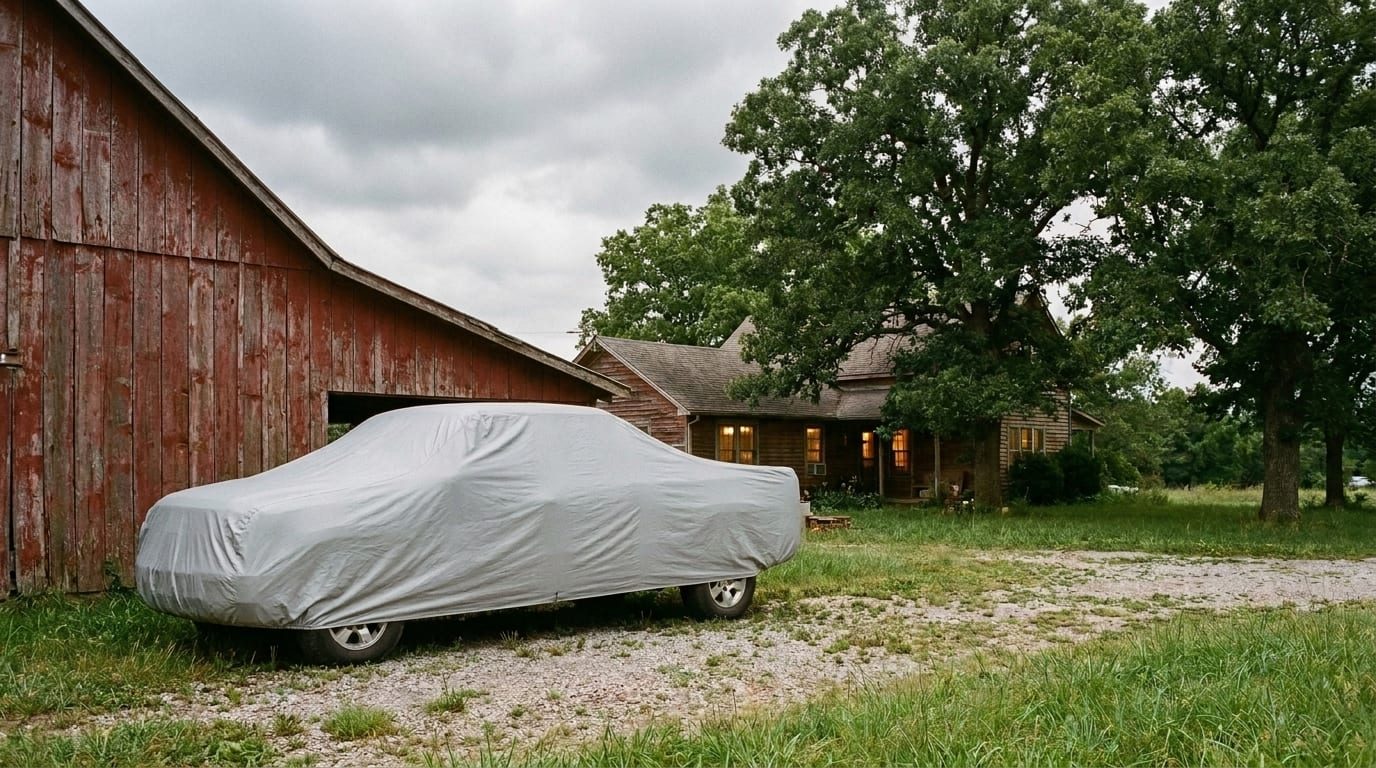
A car parked under an infested tree collects honeydew for as long as the insects feed, and NC State notes that tuliptree aphid numbers can build up rapidly in spring and summer. Built-up honeydew is hard to scrub off, as Lura found, and real sap, Consumer Reports warns, will eventually eat through the paint. Consumer Reports suggests avoiding parking near sap-producing trees like pines when you can, and the same goes for a shade tree that's dripping honeydew. When there's nowhere else to put the car, a cover matched to your exact car takes the drip instead of the paint. Then it's the cover you wash, not the clear coat. Treat any sap spots first, machine-wash it on the delicate cycle in cold water in a commercial front-loader with no center agitator, and hang it to dry. How to clean your car cover has the full routine. For everything else a tree drops on a parked car, see what trees do to a parked car, and for the rest of the weather, see Weather and your car.
Questions owners ask
How can I tell honeydew from sap on my car?
Under a leafy shade tree in spring and summer, little drops all over the car that rinse off are most likely honeydew, especially if flies and wasps are working the tree or old drips have turned black with sooty mold. True sap comes from a wound in the bark, and pines can ooze it any time of year.
Does tree honeydew damage car paint?
KUT, Austin's NPR station, reporting on an aphid outbreak there, said honeydew is nontoxic and doesn't damage cars, and a city forester said it washes off easily with a quick rinse. Left to build up, though, it feeds a black fungus called sooty mold and gets harder to clean, so rinse it off rather than let it sit.
How do I get hardened sap off my car?
Consumer Reports says to get it off as soon as possible, since heat makes sap bond harder and, left long enough, it will eventually eat through the paint. Wash the car first, then dab rubbing alcohol on a cloth. If that doesn't work, use a tree-sap or bug-and-tar remover, tested on a small spot first, then clean the area with soap and water and wax it.
Which trees drip honeydew?
Purdue Extension lists soft maple, boxelder, linden, tuliptree, poplar, magnolia, walnut and honeylocust among the hosts of honeydew-making scale insects. Linden and tuliptree each also have an aphid of their own whose honeydew drips onto parked cars, according to UMass Extension and NC State Extension.
Give the tree something else to drip on.
Non-woven polypropylene with a UV-treated microporous film and a fleece liner. Matched to your exact car.
Sources (9)
- Parked cars, walks and benches beneath trees infested with honeydew-producing scales often become a sticky mess; honeydew feeds a black fungus called sooty mold; washing honeydew from cars manages the nuisance. Hosts: soft maple, boxelder and linden (cottony maple scale); tuliptree, poplar, magnolia, walnut and linden (tuliptree scale); honeylocust among the hosts of calico scale. extension.entm.purdue.edu
- The tuliptree aphid's only reported host is tulip tree; its honeydew dripping on pavement and parked cars below is a nuisance, as are the flies and wasps the honeydew attracts, and populations can build up rapidly on the leaves during the spring and summer. content.ces.ncsu.edu
- The linden aphid uses no alternate hosts and often infests urban street trees; its honeydew coats anything beneath an infested tree, including parked vehicles, and sooty mold grows on surfaces coated in it. umass.edu
- Honeydew is a sticky substance that certain insects, including aphids, psyllids, leafhoppers, mealybugs, scales and whiteflies, excrete when they feed on plants. ucanr.edu
- Sticky drips on cars under a tree canopy, including the writer's own car parked under ash, aspen and oak with drops all over it, are much more likely aphid honeydew than sap; aphids suck plant sap, which is mostly water, and excrete honeydew; on his canoe, built-up honeydew turned into small black dots colonized by mold, and it was hard to clean off both the canoe and the windshield. news.prairiepublic.org
- Honeydew (aphid excrement) is nontoxic and doesn't damage cars; a City of Austin forester said it washes off easily with a quick rinse, and that droplets falling under a tree canopy in summer can feel like mist. kut.org
- Sap flows from a wound such as a saw cut, injury or disease and starts moving after dormancy, though pines ooze any time of year; get it off as soon as possible because it will eventually eat through the paint; wash the car first, then rubbing alcohol on a cloth, then a tree-sap or bug-and-tar remover tested on a small spot and used sparingly in the shade; clean with soap and water and wax; avoid parking near sap-producing trees like pines. consumerreports.org
- Resins are sticky substances that usually harden in air into brittle solids; they are secreted especially by pines and other conifers and form protective coatings over plant wounds. eolss.net
- CarCovers.com covers are machine-washable; use a delicate cycle in a front-loading commercial washing machine with cold water only, and never machine-dry a cover; hang it to air-dry instead. carcovers.com